How to Grow Mushrooms: A Step-by-Step Beginner’s Guide
Are you interested in cultivating your own mushrooms at home? Mushroom cultivation is a fascinating and rewarding hobby that allows you to grow a variety of edible and medicinal mushrooms right in your own space. Whether you’re a seasoned gardener or new to the world of mycology, this guide to mushroom cultivation for beginners gives you the essential steps to get started.
Step 1: Choose Your Mushroom Species
The first step in mushroom cultivation is selecting the species you want to grow. There are numerous varieties to choose from, each with its own growth requirements and unique flavors. Some popular choices for beginners include oyster mushrooms (Pleurotus ostreatus), shiitake mushrooms (Lentinula edodes), and white button mushrooms (Agaricus bisporus). Research the specific needs and characteristics of each species to make an informed decision.
Step 2: Prepare the Growing Substrate
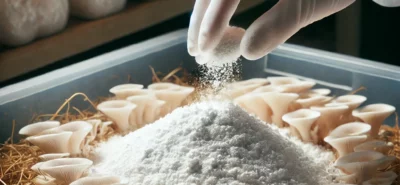
Mushrooms require a growing medium or substrate to thrive. The substrate provides the necessary nutrients for the mycelium (the vegetative part of the mushroom) to grow and eventually produce mushrooms. Common substrates include sterilized grains (such as rye, millet or corn), sawdust, straw, coco coir, or a combination of these materials. Follow proper sterilization techniques to ensure a clean and sterile environment for your mushrooms to grow.
Want to skip the preparation? Our sterilized grain spawn and substrate comes hydrated, sterilized and sealed in filter-patch bags, ready to use. If you prepare your own, Unicorn grow bags are the standard choice. Curious about supplements? Read about the role of gypsum in mushroom substrate.
Step 3: Inoculate the Substrate
Once your substrate is prepared and cooled, it’s time to inoculate it with mushroom spawn or culture. Spawn consists of mycelium-infused material that serves as the starting point for mushroom growth. You can purchase ready-to-use spawn from reputable suppliers or create your own using a sterile culture. Carefully introduce the spawn to the substrate, following the specific instructions provided for your chosen mushroom species.
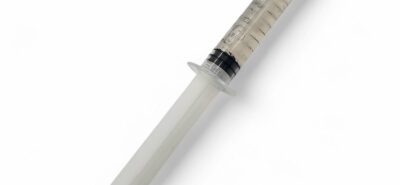
Most growers start their grain spawn with a liquid culture syringe: the mycelium is already active, so colonization starts right away. Learn why in our article on spore syringes vs liquid culture.
Step 4: Create the Right Environment to Grow Mushrooms
Mushrooms thrive in specific environmental conditions. Temperature, humidity, and light are crucial factors to consider when creating the perfect growing environment. Different mushroom species have varying requirements, but most prefer temperatures ranging from 18-24°C (64-75°F) and humidity levels around 70-90%. Some species also require darkness or indirect light, while others benefit from exposure to natural or artificial light. Research the ideal conditions for your chosen mushroom species and make the necessary adjustments to provide optimal growing conditions.
Step 5: Maintain and Monitor the Growth
Once your mushrooms are growing, it’s important to monitor their progress and make any necessary adjustments. For example, regularly check the moisture levels of the substrate and mist with clean water if needed. In addition, maintain proper ventilation to prevent the buildup of carbon dioxide. Monitor for any signs of contamination or pest infestation, and take appropriate measures to address these issues promptly. Working cleanly from the start, with gloves, a face mask and a disinfected workspace, prevents most contamination.
Step 6: Harvest and Enjoy
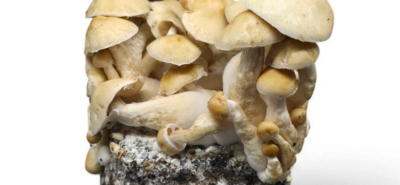
After weeks of patience and care, your mushrooms will be ready for harvest. Harvest the mushrooms when they reach the desired size and maturity. Use a clean knife or scissors to cut the mushrooms at the base of the stem. Avoid pulling or twisting, as this can damage the mycelium. Once harvested, store the mushrooms properly in a cool, ventilated space or enjoy them fresh in your favorite recipes.
Step 7: Reflect and Learn
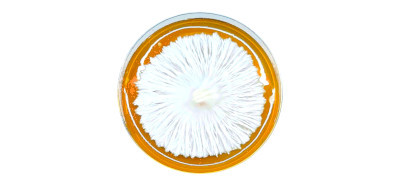
Mushroom cultivation is a continuous learning process. Take the time to reflect on your cultivation experience and learn from any challenges or successes you encounter. Experiment with different techniques, species, and growing methods to expand your knowledge and skills. Ready for the next level? Try growing cultures on agar petri dishes, or read the classic Growing Gourmet and Medicinal Mushrooms by Paul Stamets. Connect with fellow mushroom enthusiasts, join online communities, and attend workshops or events to further enhance your understanding of mushroom cultivation.
The Easiest Way to Grow Mushrooms at Home
If you want to learn the basics without preparing everything yourself, start with an all-in-one solution. Our All In One grow bag contains sterilized grain and substrate in one filter bag: inject a liquid culture, let it colonize and fruit. The XXL Starter Kit combines a substrate bag, sterilized corn and a liquid culture syringe of your choice.
Remember, patience and attention to detail are key in successful mushroom cultivation. With time, practice, and a bit of experimentation, you’ll be on your way to growing your own bountiful harvest of delicious mushrooms.